What Is an Auto Case Erector and How Does It Work?

Time:2026-10-17 Author:Madeline
0%

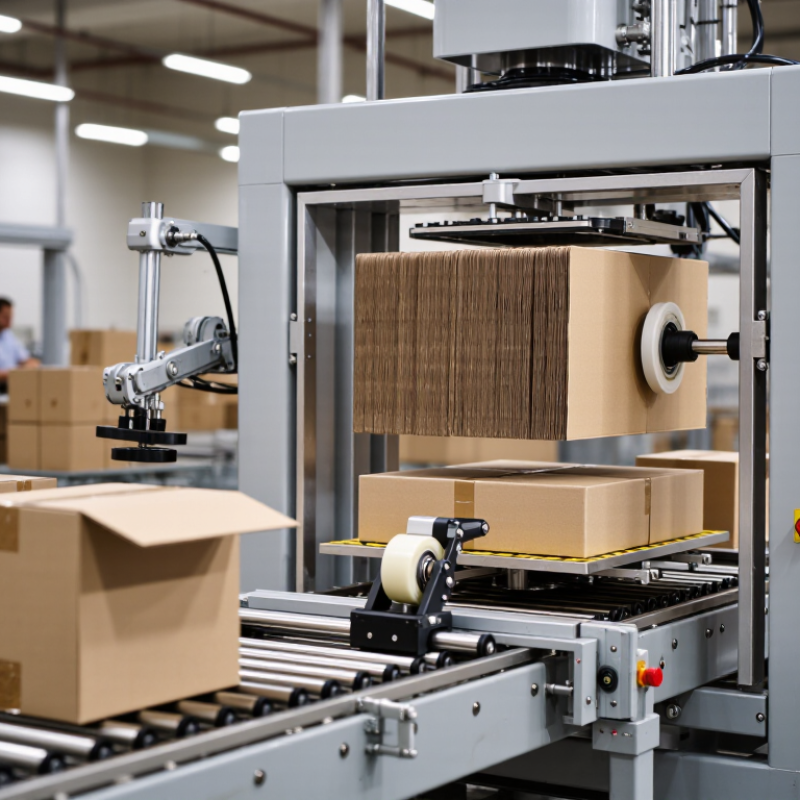
An Auto Case Erector is more than a machine that opens cartons. It converts flat case blanks into stable, usable boxes for filling and sealing. In a typical production line, a magazine holds folded blanks. Vacuum cups or mechanical arms pick each blank, square its panels, and fold the flaps. Adhesive or tape then secures the bottom. The finished case moves forward at a controlled pace.

The need for this equipment is measurable. PMMI’s 2024 State of the Industry report valued U.S. packaging machinery shipments at more than $10 billion in 2023. Its research also identifies labor shortages, production consistency, and automation investment as major industry concerns. In that environment, an Auto Case Erector can reduce repetitive manual handling and support steadier output. It can also expose weak packaging design quickly.

Jorge Izquierdo, PMMI’s Vice President of Market Development, explains, “Automation works best when it addresses a measurable production need.” That principle matters here. Speed alone is not enough. Case size, board quality, adhesive performance, and line integration all influence results. A machine rated for 30 cases per minute may perform differently with warped blanks or recycled board. That detail is easy to overlook.

No machine is magic. Operators still inspect folds, glue patterns, sensors, and changeover settings. This guide explains what an Auto Case Erector is, how its working cycle operates, and where its practical limits appear. It also considers the less obvious question: when does automation create real value, and when does it simply add complexity?
What Is an Auto Case Erector and How Does It Work?

What Is an Auto Case Erector?

An auto case erector is a packaging machine that turns flat corrugated blanks into open boxes. It folds the scored panels and seals the bottom, creating cases ready for filling. This process replaces repetitive manual folding and helps maintain a steady packing rhythm.

The machine usually begins with a magazine that stores flattened blanks. A vacuum arm or mechanical gripper separates one blank at a time. Guide rails position it accurately. Folding plates then shape the side panels and bottom flaps. Adhesive or tape secures the bottom seam. Sensors check blank position, flap movement, and possible jams. When settings are correct, the machine can produce uniform cases with less physical strain for operators.

Tips: Keep blanks dry and properly stacked. Moist cardboard can bend during feeding. Match the machine settings to the case size and board thickness. Check glue temperature, tape alignment, and sensor cleanliness during each shift. Small adjustments matter. In practice, no setup is perfect. A slightly loose guide can cause tilted boxes, while excessive pressure may mark the cardboard. Operators should record recurring faults instead of correcting them blindly. This experience often reveals problems that specifications cannot predict.

Key Components of an Auto Case Erector

An auto case erector turns flat corrugated blanks into open cartons for packing lines. Its main frame supports the magazine, drive system, forming station, and controls. The magazine stores folded blanks in a vertical stack. A vacuum pickup head removes one blank at a time. Reliable suction depends on clean cups, steady air pressure, and correctly adjusted spacing.

The blank then enters the forming station. Guide rails open its panels while pneumatic cylinders control movement. Folding plows create sharp creases without crushing the board. A squaring mechanism holds the carton at the correct angle. Timing matters. Even a small delay can cause skewed cartons or line stoppages. Sensors check blank presence, flap position, and carton movement. A programmable controller uses these signals to coordinate each action.

The bottom sealing unit completes the carton. It may use adhesive application, tape, or another approved closure method. Rollers press the flaps together while the carton moves forward. Operators should inspect glue temperature, belt tension, and sensor alignment during routine checks. In practice, no setup stays perfect. Humidity, board thickness, and worn suction cups can change performance. Small errors grow. Careful testing with real packaging materials helps reveal problems that a dry run may miss. Controls are useful, but skilled observation still matters.

What Is an Auto Case Erector and How Does It Work? - Key Components of an Auto Case Erector
Component or Process Stage Primary Function Typical Technical Data How It Works Important Operating Considerations
Case Magazine Stores flat-folded corrugated cases before they are opened. Approx. 80–250 cases, depending on case size and magazine design. Operators load knocked-down cases into the magazine. A controlled feeding mechanism removes one case at a time. Correct case alignment and adequate magazine capacity help reduce feeding interruptions.
Case Separation and Pick-Up Unit Separates a single blank from the stack and transfers it to the forming area. Commonly uses vacuum cups, mechanical grippers, or a combination of both. Vacuum or gripping elements contact the top case, pull it forward, and release it into the opening section. Vacuum pressure, suction-cup condition, and blank spacing affect reliable separation.
Case Opening Assembly Converts the flat case blank into an open rectangular carton. Typical case formats include regular slotted cartons and other pre-slotted corrugated cases. Guides, belts, and forming tools apply controlled forces to square the blank and create the case shape. Case dimensions, board stiffness, slot accuracy, and adhesive or tape flap condition influence opening quality.
Squaring Guides and Forming Rails Maintains the correct width, height, and right-angle geometry of the case. Adjustable to the approved carton range; exact limits vary by machine configuration. Side guides and forming rails support the carton walls while the bottom flaps are positioned. Incorrect guide adjustment may cause skewed cases, open corners, or excessive board friction.
Bottom Flap Folding System Folds the bottom flaps into the sequence required for closure. Usually includes fixed plows, folding arms, belts, or pneumatic actuators. Long flaps are folded first, followed by the remaining flaps as the case moves through the forming path. Flap length, crease quality, and folding order must match the case design.
Tape Sealing Unit Closes and secures the bottom of the erected case with pressure-sensitive tape. Typical tape widths are 48–75 mm; exact tape size depends on the sealing head. A tape roll feeds adhesive tape through a dispensing head while pressure rollers apply it along the bottom seam. Tape tension, roller pressure, temperature, dust, and tape quality affect seal consistency.
Hot-Melt Gluing Unit Provides an alternative method for closing the bottom flaps with adhesive. Uses heated adhesive applied through a nozzle; operating temperature is adhesive-dependent and commonly around 120–180°C. The adhesive system melts the glue, applies a controlled bead, and compresses the flaps until bonding begins. Requires temperature control, nozzle cleaning, and correct adhesive viscosity for stable bonding.
Drive Belts and Conveyor Moves the case through opening, folding, sealing, and discharge operations. Typical operating speeds range from 10–30 cases per minute, depending on case size and configuration. Motor-driven belts grip the case sides or bottom and maintain a controlled travel path. Belt tension, tracking, wear, and conveyor cleanliness directly affect case stability.
Pneumatic System Operates cylinders, grippers, flap folders, stops, and other actuated mechanisms. Common working pressure is approximately 5–7 bar, subject to the machine design. Compressed air converts pneumatic-valve commands into linear or rotary movement. Filtered, dry air and regular leak checks are important for repeatable motion and reduced downtime.
Sensors and Control System Detects case position, material presence, jams, tape status, and safety conditions. Typical devices include photoelectric sensors, proximity sensors, pressure switches, and a programmable controller. Sensors send status signals to the controller, which coordinates feeding, forming, sealing, and fault handling. Sensor alignment, clean lenses, correct detection distance, and accurate parameter settings are essential.
Safety Guarding and Interlocks Protects operators from moving parts and stops operation when access points are opened. May include guarded panels, emergency-stop buttons, safety switches, and monitored access doors. The control system removes motion power or prevents a cycle when a safety condition is not satisfied. Safety devices must not be bypassed and should be tested according to the applicable workplace requirements.
Discharge Conveyor Transfers the sealed case to filling, palletizing, or the next packaging process. Discharge height and conveyor length are normally adjustable to suit the packaging line layout. After bottom sealing, the conveyor maintains case orientation and delivers it at a controlled rate. Proper handoff height and speed synchronization help prevent case accumulation and collisions.
Typical Operating Sequence Defines the complete automatic case-erecting cycle. Feed → Separate → Open → Square → Fold → Seal → Discharge The controller coordinates each stage using sensor feedback and timed or position-based commands. Actual throughput depends on case size, board grade, closure method, changeover time, and line integration.
Note: The technical values shown are typical industry ranges for automatic case erectors. Actual specifications vary according to carton dimensions, corrugated-board grade, sealing method, machine configuration, and production-line requirements.

How an Auto Case Erector Works Step by Step

What Is an Auto Case Erector and How Does It Work?

How an Auto Case Erector Works Step by Step

An auto case erector converts flat corrugated blanks into open shipping cases. The process begins when a magazine stores folded blanks vertically. A vacuum head selects one blank and moves it toward the forming area. Suction pressure must remain stable. Otherwise, two blanks may travel together.

Guides square the blank before forming begins. Mechanical arms fold the side panels along their scored lines. Bottom flaps then fold in sequence, creating a stable base. Depending on the production design, adhesive or tape seals the bottom. Rollers or a compression section hold the seal briefly. Sensors check blank presence, flap position, and case flow. The finished case exits toward filling equipment. PMMI’s 2024 State of the Industry report places U.S. packaging machinery shipments above 10 billion dollars in 2023, showing why reliable automation matters. Still, speed is not everything. Poor board quality can defeat a well-adjusted machine.

Tips: Keep blanks dry and aligned. Inspect vacuum cups, guides, and compression belts during every shift. Test the case opening by hand. It should feel square, not twisted. The corrugated packaging outlook in Smithers’ industry research continues to highlight automation and efficiency as important market priorities. Yet operators should question settings instead of trusting them blindly. A faster cycle may create weak corners, wasted cartons, or frequent stoppages. Small adjustments often protect output better than maximum speed.

Common Types of Auto Case Erectors

What Is an Auto Case Erector and How Does It Work?

An auto case erector opens flat corrugated blanks and forms them into stable cartons. It usually uses suction cups, guides, folding arms, and adhesive or tape units. Sensors check blank position before the machine completes each case. A conveyor then moves the erected carton toward filling equipment.

Common Types of Auto Case Erectors

Vertical case erectors store blanks in an upright magazine. They suit many packaging lines and use floor space efficiently. Horizontal models hold blanks in a side-loading magazine. Operators often find them easier to load during frequent carton changes. These machines can support medium and high production speeds.

Fully automatic erectors handle blank feeding, opening, folding, and bottom sealing. They reduce manual handling and provide consistent carton shapes. Semi-automatic models still require an operator to place or adjust blanks. They cost less and may suit smaller operations. Robotic case erectors use programmable arms for flexible carton sizes. They can change formats quickly, but setup quality matters greatly.

The right type depends on carton dimensions, board strength, line speed, and available labor. A dusty environment can weaken suction performance. Poorly cut blanks may also cause jams. No machine handles every carton perfectly. In practice, testing real cartons reveals problems that specifications often miss. This step is easy to underestimate. Operators should inspect fold lines, compression, seal quality, and sensor response during trials. A practical design may still need small adjustments after installation.

Benefits and Applications of Auto Case Erecting Systems

What Is an Auto Case Erector and How Does It Work?

Benefits and Applications of Auto Case Erecting Systems

An auto case erector opens flat corrugated blanks, folds the panels, and seals the bottom flaps. Sensors check each blank before forming begins. The machine then delivers a square, ready-to-fill case to the packing line. Most systems use vacuum pick-up, guided rails, and adhesive or tape sealing. The exact setup depends on case size, board strength, and production speed.

The benefits are practical. Automated erection reduces repetitive lifting and creates more consistent case geometry. It can also support faster packing, cleaner workflows, and fewer line interruptions. The International Federation of Robotics reported 541,302 industrial robot installations worldwide in 2023. That figure reflects a wider move toward automated production, although a case erector is usually simpler than a robotic cell. Packaging Machinery Manufacturers Institute reports also identify labor availability and throughput as continuing reasons for packaging automation investment.

These systems serve food, beverage, household, personal-care, and distribution operations. A high-volume facility may connect the erector directly to a filler, sealer, and palletizer. Smaller plants can use intermittent-motion equipment for several carton formats. Yet automation is not effortless. Poorly adjusted guides can crush corners, while weak corrugated board may cause jams. Changeovers need real operator experience. A short trial with real cases often reveals problems that specifications miss. That lesson matters.

What Is an Auto Case Erector and How Does It Work?

Typical throughput ranges for automatic case erecting systems used in common packaging environments. Actual output depends on case size, board quality, adhesive or tape method, and line configuration.

Auto case erectors draw flat corrugated blanks from a magazine, square and fold the panels, then seal the bottom before releasing each carton to the filling line. Automatic systems reduce repetitive manual work and provide more consistent case preparation.

FAQS

What does an auto case erector do?

It opens flat corrugated blanks and forms them into ready-to-fill shipping cases.

How does the forming process begin?

A magazine stores blanks vertically or horizontally. A vacuum head selects one blank and moves it forward.

Why is stable suction important?

Stable suction helps prevent two blanks from moving together. Dusty cups can reduce grip.

How are the case panels and flaps folded?

Guides square the blank. Folding arms bend panels along scored lines, then bottom flaps close in sequence.

How is the case bottom sealed?

The machine applies adhesive or tape. Rollers or compression belts hold the seal briefly.

What do the sensors check?

Sensors detect blank presence, flap position, and case movement. They help prevent incomplete or twisted cases.

What are the common machine types?

Vertical models save floor space. Horizontal models support side loading. Fully automatic, semi-automatic, and robotic versions serve different needs.

How should a business choose the right erector?

Consider carton size, board strength, speed, labor, and available space. Test real cartons, because specifications can miss practical problems.

What maintenance checks matter during each shift?

Inspect vacuum cups, guides, folding parts, sensors, and compression belts. Keep blanks dry and aligned.

Can higher speed always improve production?

Not always. Faster cycles may create weak corners, wasted cartons, or repeated stoppages. A slower setting can sometimes protect output.

Conclusion

An Auto Case Erector is an automated packaging machine designed to form flat, folded cartons into open boxes ready for filling. It typically includes a carton magazine, pickup and forming mechanism, folding arms or guides, a sealing unit, sensors, and a control system. Together, these components coordinate the movement of each carton, helping maintain consistent box shape and reliable production speed.

The process begins when the machine selects a flat carton from the magazine and opens it into a three-dimensional case. Flaps are then folded into position, and the bottom is secured with adhesive or tape before the finished box is transferred to the next packaging stage. Common types include machines for regular slotted cases, wraparound cases, and different production speeds or carton sizes. By reducing manual labor, improving uniformity, minimizing packaging errors, and supporting continuous operations, an Auto Case Erector is useful in industries such as food, beverages, consumer goods, logistics, and general manufacturing.


Madeline

Madeline

Madeline is a dedicated marketing professional with a wealth of expertise in our company's core offerings. With a keen understanding of the industry, she brings a unique perspective to her role, consistently delivering high-quality content that highlights the superior aspects of our products. As......