2026 Best Box Erector Machine for Global Buyers?

Time:2026-09-07 Author:Sienna
0%

Choosing the 2026 best Box Erector requires more than comparing advertised speed. Global buyers need stable forming, accurate squaring, safe operation, and dependable after-sales support.

Packaging automation specialist Dr. Anne W. Johnson offers a practical view: “A box erector proves its value when every carton opens square, repeatedly, under real production pressure.” That standard matters on busy lines, where a crooked carton can stop sealing, waste corrugated board, or damage downstream equipment. Buyers should examine carton dimensions, board quality, machine changeover time, and compatibility with tape or hot-melt adhesive. Small details matter. A 15-minute adjustment can become hours of lost production each week.

A strong Box Erector should also provide clear manuals, accessible spare parts, remote diagnostics, and operator training. Global purchasers must review voltage requirements, safety certification, guarding design, and local service coverage before signing an order. Total cost includes installation, maintenance, energy use, tooling, and unexpected downtime. The fastest machine is not always the best machine. Sometimes, a slower unit with reliable feeding performs better across mixed carton sizes.

This guide compares key machine types, application conditions, and supplier capabilities for 2026. It also recognizes an uncomfortable point: published performance figures may reflect ideal cartons and experienced operators. Real factories are less perfect. Dust, warped blanks, rushed changeovers, and inconsistent board quality can expose weaknesses quickly. Careful testing remains essential.
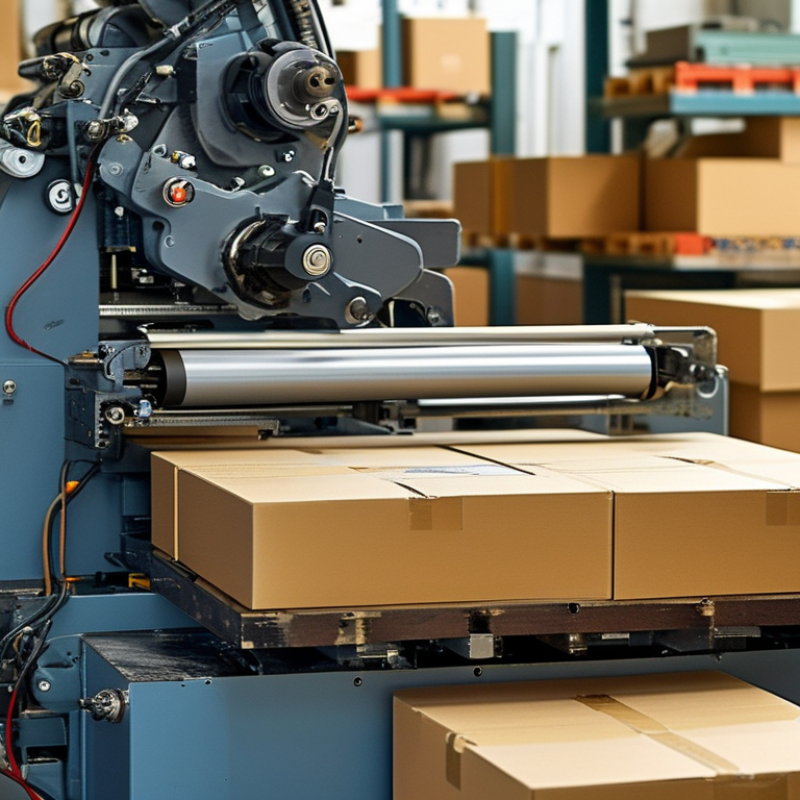
2026 Best Box Erector Machine for Global Buyers?

What Is a Box Erector Machine and How Does It Work?

2026 Best Box Erector Machine for Global Buyers?

A box erector machine changes flat, pre-cut cartons into open boxes for packing lines. It draws each carton from a magazine, opens it with suction or mechanical guides, and folds the bottom panels. A sealing unit then applies tape or hot-melt adhesive. Sensors check carton position, while a control system coordinates speed and movement. The finished box moves forward on a conveyor.

In practical operations, carton quality affects performance more than many buyers expect. Warped blanks, weak creases, or dusty surfaces can cause jams. Machine size, carton range, cycle speed, and power requirements should match the packaging area. A wider carton range sounds useful, but frequent manual adjustments may reduce real productivity. That assumption can fail. Reliable equipment should offer guarded moving parts, clear controls, accessible changeover points, and documented maintenance procedures. Operators also need training, not only a manual.

Tips: Test your actual cartons before purchase. Check opening stability, bottom sealing strength, noise, and changeover time. Ask for cycle results under continuous operation, not only short demonstrations. Leave space around the machine for cleaning and inspection. Small details matter.

Key Machine Types for Different Box Formats and Production Needs

2026 Best Box Erector Machine for Global Buyers?

Key Machine Types for Different Box Formats and Production Needs

Choosing a box erector starts with the carton format, not the machine’s advertised speed. Regular slotted carton erectors suit standard shipping boxes with repeated dimensions. They fold, square, and seal cases efficiently for warehouses, food plants, and e-commerce lines. For frequent size changes, servo adjustment and recipe storage can reduce setup errors. Still, operators must verify board quality and flap alignment during production.

Wraparound case packers handle flat blanks that form tightly around products. They fit retail multipacks, beverage cartons, and shelf-ready packaging. Tray formers create open-top trays for produce, bottles, and promotional displays. These machines require accurate blank feeding because small creases can distort the finished tray. Poor scoring remains a practical problem.

Smaller operations may prefer a compact semi-automatic erector. It can support several box sizes without demanding a fully integrated line. High-volume facilities usually need automatic magazine loading, hot-melt or tape sealing, and conveyor synchronization. Partition insertion adds protection for glass containers and delicate components. However, higher automation also increases maintenance skill requirements. A machine can be technically advanced yet unsuitable for a plant with limited training time. Buyers should test actual cartons, including recycled board, before approving specifications.

2026 Best Box Erector Machine for Global Buyers

Key machine types for different box formats and production needs

Typical throughput ranges are shown in boxes per hour. Semi-automatic machines suit smaller batches and frequent format changes, while servo-controlled and high-speed random-case systems are designed for continuous production. Actual output depends on carton size, board quality, adhesive, operator handling, and changeover requirements.

How to Compare Speed, Accuracy, Compatibility, and Automation

Choosing the best box erector machine in 2026 requires more than reading its maximum speed. Speed is seductive. A reliable comparison starts with actual cartons, board grades, and shift conditions. Measure cartons per minute under normal production, not during a short demonstration. PMMI’s 2024 U.S. Packaging Machinery Trends report identifies labor shortages and flexible automation as important investment drivers. That supports machines with quick changeovers, accessible controls, and simple fault recovery.

Accuracy protects both materials and customer perception. Check flap alignment, squareness, glue placement, and rejected cases across several carton sizes. A machine claiming 30 cases per minute may perform differently with recycled corrugated board or uneven blanks. Compatibility also matters. Confirm carton dimensions, board thickness, adhesive type, conveyor height, and integration with case packers. Small mismatches create costly stoppages. In my view, suppliers should provide production samples and recorded acceptance criteria. Verbal promises are weak evidence.

Automation should reduce repetitive work without creating a maintenance puzzle. The International Federation of Robotics reported 541,302 new industrial robots installed worldwide in 2023, showing the wider shift toward automated production. However, a box erector does not need maximum automation in every factory. Sensor diagnostics, remote monitoring, recipe storage, and automatic size adjustment may deliver better value than complex robotics. Operators still need training. That part is often underestimated. Compare changeover time, air consumption, spare-part access, safety systems, and five-year service costs. The cheapest quotation can become the most expensive decision.

Global Buying Factors: Standards, Installation, Service, and Total Cost

For global buyers, the best box erector machine is not always the fastest model. Performance depends on carton size, board quality, line speed, and local standards. Ask for documented safety compliance, electrical specifications, guarding details, and risk assessment records. Confirm voltage, frequency, pneumatic requirements, and approved materials before ordering. In my experience, a machine can run beautifully during a factory test, then struggle with humid cartons at the destination. That gap matters. Some suppliers provide test videos, but videos cannot replace sample-carton trials. Request a written acceptance test using your actual box dimensions and adhesive conditions.

Installation planning deserves equal attention. Confirm who levels the frame, connects air lines, calibrates sensors, and trains operators. A remote commissioning session may reduce travel costs, yet it can fail when translation or network access is weak. Allow time for hands-on troubleshooting. Service agreements should state response times, spare-parts availability, maintenance intervals, and technician qualifications. Ask whether common parts can be sourced locally. A low purchase price becomes expensive when one sensor waits six weeks. I have seen buyers overlook changeover time. That mistake quietly reduces daily output.

Tips: Calculate five-year total cost, including freight, installation, energy, consumables, downtime, and maintenance labor. Compare output at your real operating speed, not the brochure maximum. Keep critical spare parts on site. Challenge optimistic assumptions. Cartons vary. Operators need practice. Leave a budget for adjustments after startup, because the first production week is rarely perfect.

2026 Best Box Erector Machine for Global Buyers? – Global Buying Factors: Standards, Installation, Service, and Total Cost

Comparison of commonly purchased box erector configurations for international packaging lines. Figures are typical market ranges and should be confirmed against the final carton specification, production rate, electrical system, and destination-country requirements.

Machine Configuration Typical Application Carton and Compliance Factors Typical Performance Installation Requirements Service and Spare-Parts Considerations Indicative Five-Year TCO
Entry Level
Semi-automatic regular-slotted-carton erector
Seasonal production, multiple carton sizes, low-to-medium throughput, and facilities with frequent format changes. Usually handles standard regular-slotted cartons made from corrugated board. Confirm carton flute, board thickness, compression strength, adhesive compatibility, and guarding requirements. Electrical conformity marking and machine-risk documentation are required for many export markets. Approximately 8–15 cartons/minute.
Typical changeover: 5–15 minutes.
Compressed air is commonly required.
Usually requires floor leveling, electrical connection, compressed-air connection, safety inspection, and operator training. One technician can often complete commissioning in 1–2 days, excluding line integration. Simple mechanical design and widely available wear parts can reduce downtime. Buyers should request manuals, electrical drawings, recommended spare-parts lists, and remote troubleshooting support in English. Approx. US$25,000–70,000, including machine, basic commissioning, routine maintenance, utilities, and typical wear parts. Freight, duties, and upstream or downstream conveyors may be excluded.
Flexible
Automatic carton erector with servo-assisted adjustment
Contract packaging, food and household-goods operations, and plants running several carton formats on the same line. Suitable for repeatable carton dimensions and higher automation. Verify compliance with applicable machinery-safety rules, emergency-stop design, electrical protection, guarding, noise limits, and food-contact-area material requirements where relevant. Approximately 15–30 cartons/minute.
Typical changeover: 2–8 minutes.
More consistent squaring and flap folding than manual adjustment.
Requires accurate conveyor alignment, stable power, dry compressed air, network access where remote diagnostics are offered, and integration with case packers or conveyors. Typical commissioning: 2–4 days. Servo drives, sensors, and PLC components should have documented part numbers and local or regional availability. A preventive-maintenance schedule should include lubrication, vacuum or air-system checks, sensor cleaning, and belt inspection. Approx. US$55,000–135,000 over five years, depending on controls, format range, labor rates, spare-parts strategy, and integration scope.
High Speed
Continuous-motion automatic erector with hot-melt sealing
High-volume distribution centers, beverage and packaged-food lines, and operations requiring stable output with limited operator intervention. Confirm carton-board limits, glue pattern, adhesive temperature controls, guarding, safety circuits, and validation of carton closure. The installation should include a documented risk assessment and acceptance test at the buyer’s target speed. Approximately 25–50 cartons/minute, depending on carton size and board quality.
Typical changeover: 3–10 minutes.
Hot-melt adhesive system adds heat and maintenance requirements.
Requires level flooring, dedicated electrical protection, compressed air, hot-melt ventilation considerations, upstream carton magazine access, and downstream line synchronization. Typical commissioning: 3–7 days. Critical spares include glue nozzles, filters, heaters, thermocouples, belts, bearings, sensors, and pneumatic valves. A service agreement should define response time, remote support hours, and technician travel terms. Approx. US$100,000–240,000 over five years. Higher output can reduce labor cost, but glue consumption, preventive maintenance, energy use, and downtime have a greater effect on total cost.
Heavy Duty
Large-format or reinforced-carton erector
Industrial parts, e-commerce fulfillment, furniture components, appliances, and heavy products requiring larger or stronger corrugated cases. Confirm maximum carton dimensions, board grade, carton weight, flap geometry, and required case compression. Heavy-duty guarding, load-rated access points, and safe handling procedures are especially important. Approximately 6–20 cartons/minute, depending on carton size, board stiffness, and sealing method.
Typical changeover: 5–20 minutes.
May require reinforced floor loading, wider material-handling access, larger electrical capacity, higher air demand, and customized conveyor heights. Site survey and factory acceptance testing are strongly recommended. Buyers should verify availability of structural components, drive elements, cylinders, guides, and custom tooling. On-site service capability is valuable because large-format machines can be difficult to ship or repair quickly. Approx. US$90,000–220,000 over five years, with the main cost drivers being custom tooling, material handling, downtime, and the required level of integration.
Integrated Line
Robotic or vision-assisted carton-forming cell
Multi-SKU facilities seeking automated carton identification, recipe management, traceability, and reduced manual intervention. Requires coordinated safety architecture across robots, conveyors, scanners, and the erector. Confirm data-network security, machine documentation, barcode or vision performance, and compatibility with the plant’s control and traceability systems. Approximately 20–45 cartons/minute, depending on product mix and inspection tasks.
Changeover can be recipe-controlled but depends on mechanical adjustment and carton availability.
Requires detailed layout approval, network configuration, safety-zone validation, line controls integration, and operator training. Typical commissioning: 5–15 days, depending on line complexity. A formal service-level agreement should cover PLC and robot backups, software version control, cybersecurity responsibilities, remote access, spare-part stocking, and guaranteed technical response times. Approx. US$180,000–450,000 over five years. Labor savings and data visibility may be substantial, but software support, integration, calibration, and specialist service can increase long-term cost.

Buyer checklist: Before purchase, compare tested cartons per minute rather than brochure speed; request a factory acceptance test using the buyer’s actual carton samples; verify electrical frequency and voltage; confirm destination-market safety documentation; define installation boundaries; obtain a five-year spare-parts and maintenance estimate; and calculate total cost using labor, adhesive, compressed air, electricity, planned downtime, freight, duties, and line-integration costs.

How to Select the Best Box Erector Machine for 2026 Operations

Selecting the best box erector machine for 2026 operations starts with your actual carton range. Measure box length, width, height, board thickness, and folding style. A machine that handles 12 sizes may still struggle with your smallest carton.

In production reviews, I check changeover time with a stopwatch. Ten minutes can matter during short runs. Ask for a live test using your own cartons and adhesive or tape. Watch for crooked flaps, crushed corners, and cartons that hesitate at the discharge.

Speed claims look attractive, but stable performance matters more. Choose controls that operators can learn quickly. Clear settings reduce avoidable errors.

Do not ignore the surrounding line. Confirm conveyor height, available floor space, power requirements, and communication options. Safety guarding, access doors, and emergency stops should be easy to inspect. Reliable sensors also reduce empty cycles and material waste.

Request maintenance schedules, spare-parts availability, training, and written service response times. These details show whether a supplier understands long-term operations.

A perfect machine does not exist. Your carton quality may change between suppliers, and humidity can affect board behavior. Leave room for adjustment.

One practical test may reveal more than a polished demonstration. Evaluate output over several hours, not just the first successful box. Use total ownership cost, operator feedback, and measured uptime to support the final decision.

FAQS

: What does a box erector machine do?

: It converts flat, pre-cut cartons into open boxes for packing lines. A magazine feeds each blank. Suction or guides open it. Folding panels form the bottom. A conveyor carries the finished box forward.

How does the machine seal carton bottoms?

It may use pressure-sensitive tape or hot-melt adhesive. Sensors confirm carton position before sealing. Seal strength depends on board quality, flap alignment, and adhesive conditions. Check the actual boxes.

Which carton formats can these machines handle?

Regular slotted cartons suit repeated shipping-box dimensions. Wraparound systems form cartons tightly around products. Tray formers create open-top trays for bottles, produce, or displays. Each format needs suitable blanks and crease patterns.

Is the fastest machine always the best choice?

No. Advertised speed may not match real production. Carton size, board quality, changeover time, and operator skill affect output. A wider size range may require frequent manual adjustments. That assumption can fail.

What carton problems can cause jams?

Warped blanks, weak creases, dusty surfaces, and poor scoring can interrupt feeding. Recycled board may behave differently from new board. Test cartons during continuous operation, not only short demonstrations.

What should buyers test before purchasing?

Test opening stability, bottom sealing strength, noise, and changeover time. Use the exact carton dimensions and adhesive conditions. Record results at the intended operating speed. Test it.

What installation details require attention?

Confirm voltage, frequency, air pressure, frame leveling, and sensor calibration. Plan space for cleaning, inspection, and operator movement. Remote commissioning may struggle with weak networks or translation issues. Allow hands-on troubleshooting time.

What service support should a buyer request?

Request written response times, spare-parts availability, maintenance intervals, and technician qualifications. Check whether common sensors and wear parts are available locally. Keep critical spares on site. Six weeks for one sensor is costly.

How should buyers calculate the machine’s real cost?

Include freight, installation, energy, consumables, maintenance labor, and downtime. Compare five-year costs, not only the purchase price. Higher automation may demand more technical training. The first production week is rarely perfect.

Conclusion

Choosing the best Box Erector for 2026 requires more than comparing purchase prices. This equipment automatically forms flat-packed cartons into stable boxes, opens and squares them, and seals or prepares them for filling, helping improve consistency, reduce manual labor, and support higher production efficiency. Buyers should first identify their carton formats, material types, operating speed, and layout requirements, then select between compact, intermittent, continuous-motion, or fully integrated systems based on production volume and packaging goals.

A reliable evaluation should cover forming accuracy, cycle speed, carton compatibility, changeover time, controls, safety features, and the level of automation required. Global buyers should also confirm electrical and safety standards, documentation, installation support, operator training, spare-parts access, maintenance requirements, and long-term service capability. By considering total cost of ownership rather than only the initial investment, businesses can choose a machine that delivers dependable performance, flexible operation, and sustainable value for changing packaging demands.


Sienna

Sienna

Sienna is a skilled marketing professional with a deep expertise in our company’s core products and services. With a passion for innovation and detail, she plays a pivotal role in crafting insightful blog posts that not only highlight the unique features of our offerings but also provide valuable......