In today's fast-paced business environment, effective packaging is crucial. Tape sealers play a vital role in ensuring secure and efficient packaging solutions. A well-chosen tape sealer can enhance productivity while reducing material waste. Many businesses overlook the importance of selecting the right tools for packaging. This oversight can lead to inefficiencies and increased costs.
When it comes to tape sealers, there are various options available on the market. From handheld models to automated machines, each type offers unique advantages. Understanding these differences is essential for making the best choice. The ideal tape sealer not only speeds up the packaging process but also ensures package integrity.
While many brands promise reliability, the effectiveness of a tape sealer often depends on user expertise and application. Users may face challenges such as inconsistent pressure or improper tape alignment. These factors can compromise the sealing process and overall packaging quality. It's crucial to reflect on these aspects when investing in tape sealers. Recognizing these details can lead to better packaging practices and customer satisfaction.
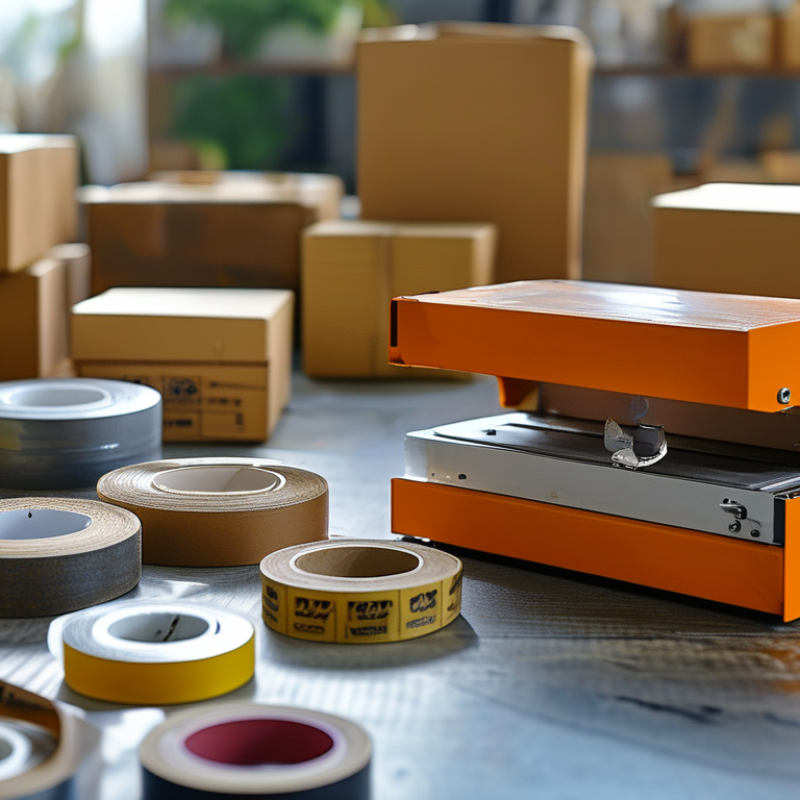
Tape sealers play a crucial role in packaging. Understanding the different types allows businesses to choose wisely. Manual tape sealers are often used for smaller tasks. They are straightforward and require minimal training. These sealers allow users to control the tape application precisely for various materials.
Automatic tape sealers come in various styles. They significantly speed up the packaging process. Many businesses prefer these sealers for high-volume tasks. They can handle a variety of tape types, providing flexibility in operations. However, automatic options often require maintenance and can be costly.
Many users overlook the importance of choosing the right tape and sealer. Not all tape sealers work well with every product. Improper sealing can lead to damage during shipping. Factors like tape adhesion and surface texture play a significant role. Using the wrong combination can result in wasted time and materials. Identifying the right tools takes experience and careful consideration.
: Focus on durable construction and user-friendly designs. Comfortable grips enhance sealing efficiency.
Tape compatibility is crucial. Sealers should accommodate various tape widths for different packaging needs.
Quick-release mechanisms and ease of tape replacement minimize downtime. This boosts overall productivity.
No, some may struggle under pressure. It's vital to assess specific needs before choosing a sealer.
Durability ensures performance under various conditions. High-quality sealers maintain adhesion in fluctuating temperatures.
Select sealers with robust adhesion and moisture resistance. Testing different options helps identify better solutions.
Yes, innovations include biodegradable tapes and smart technologies. These improve efficiency and address environmental concerns.
Tape lifting or curling after application can cause damage and waste. Adjusting selections can minimize these issues.
While beneficial, the investment in smart tech can be high. Reflecting on accessibility is essential for smaller enterprises.
Tape sealers play a crucial role in ensuring efficient packaging solutions across various industries. Understanding the different types of tape sealers and their specific applications is essential for optimizing packaging processes. High-quality tape sealers are characterized by key features such as reliability, ease of use, and the ability to provide a strong seal. Performance metrics like efficiency and durability are critical factors that influence the choice of tape sealers, especially in high-demand environments.
As industry trends evolve, innovations in tape sealing technology and materials continue to shape the market, providing better solutions for diverse packaging needs. When selecting the appropriate tape sealer, it is important to consider both the specific packaging requirements and the environmental factors that may affect performance. This comprehensive understanding will ensure that businesses can choose the right tape sealer to enhance their operational efficiency and packaging quality.

 Huisu
Huisu