Choosing a China top Automatic Case Erector supplier requires more than comparing online prices. Packaging managers should examine machine performance, factory experience, and after-sales support. A reliable supplier can explain how its equipment handles carton sizes, board thickness, sealing methods, and production speed.
On a real packaging line, the machine opens flat cartons, squares each box, and seals the bottom before filling. Small details matter. A stable frame reduces vibration during continuous operation. Accurate sensors prevent empty cartons from entering the line. Adjustable guides help operators change from a 300-millimeter case to a wider format without lengthy downtime. Buyers should request production videos, technical drawings, electrical standards, and a factory acceptance test before shipment.
Supplier credibility also depends on communication. Engineers should answer practical questions about motor brands, pneumatic components, spare parts, and maintenance intervals. References from similar food, beverage, chemical, or e-commerce applications can provide useful evidence. Certifications may support trust, but they do not replace operating data or inspection records. Ask for measurable results.
No machine fits every factory perfectly. This is easy to overlook. A supplier may offer impressive speed, yet the equipment could perform poorly with weak recycled cartons or humid storage conditions. Buyers should test their own cartons whenever possible. Careful evaluation, transparent specifications, and responsive service can turn a China-based supplier search into a dependable investment. The best Automatic Case Erector is not always the fastest model. It is the one that works consistently within the customer’s actual line conditions.
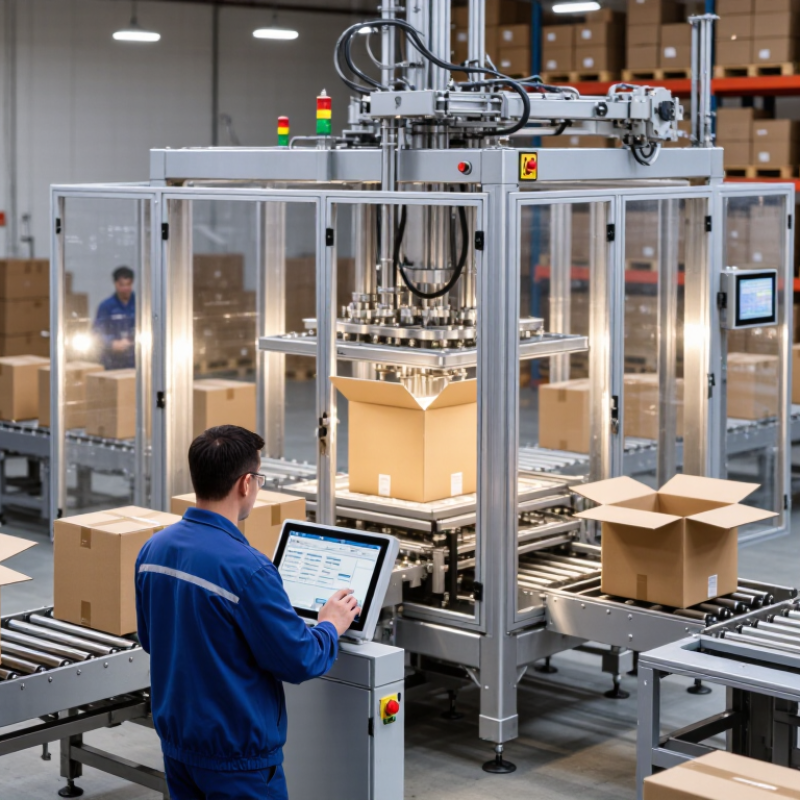
An automatic case erector is a packaging machine that opens flat corrugated cases, squares them, and seals their bottom flaps. It converts folded cartons into stable containers for filling. Most systems use suction cups, guides, sensors, and adhesive or tape sealing units. The machine then transfers each erected case to a conveyor.
In daily operation, carton size matters greatly. A case with uneven slots may twist during opening. Poor corrugated board can also cause jams. Operators should check case dimensions, board strength, flap design, and sealing requirements before purchase. A dependable China supplier should provide machine drawings, speed data, safety details, and sample testing. Video demonstrations help, but physical trials reveal more.
Production speed is not the only measure. A practical erector should form cases consistently without crushing corners. It should allow quick adjustments for different carton sizes. Access doors, emergency stops, and clear maintenance points support safer work. Dust around suction parts needs regular cleaning. Small details matter.
No machine is perfect. A specification can look correct on paper, yet perform differently with real cartons. Buyers should test their own packaging materials and record jam rates, changeover time, and seal quality. Technical support also deserves careful checking, especially when installation occurs across borders.
China Top Automatic Case Erector Supplier?
How Automatic Case Erectors Work
An automatic case erector converts flat corrugated blanks into open cartons for packing lines. The machine receives blanks from a magazine and separates them with controlled suction or mechanical movement. Sensors check each blank’s position before forming starts. Folding arms open the carton, while guides shape the side panels. The bottom flaps then fold in sequence and close with tape, hot melt, or another approved adhesive. A PLC coordinates timing, air pressure, sensors, and safety functions. Small timing errors can create large carton problems.
In plant trials, carton quality often matters more than machine speed. Warped blanks, weak board, or inconsistent cuts may cause jams. A dependable Chinese supplier should provide clear specifications, sample testing, spare parts, and practical commissioning support. Ask for verified output rates under your carton size and material conditions. Do not rely only on catalog figures. A perfect setup on paper can still struggle beside a dusty conveyor. That detail is easy to miss. Regular cleaning and operator training also protect stability.
Tips: Test your actual cartons before purchase. Check flap alignment, adhesive strength, changeover time, and rejection control. Leave space for maintenance access. Record air pressure and fault messages during trials. A slower machine with fewer stoppages may deliver better production value. Reviewing these results honestly can prevent an expensive decision.
China Top Automatic Case Erector Supplier?
Key Features of China’s Leading Case Erector Suppliers
China’s leading case erector suppliers focus on stable forming, not only low purchase prices. Their machines usually erect, square, and seal corrugated cases automatically. Servo-driven controls improve timing and reduce manual adjustments. Many models handle different carton sizes through recipe storage and tool-free changeovers. This matters on mixed production lines. According to PMMI’s 2024 State of the Industry report, labor shortages continue to influence packaging machinery investment. A reliable case erector can reduce repetitive handling and keep operators near quality checks.
Strong suppliers also provide measurable engineering support. They should share cycle-speed tests, compressed-air requirements, noise readings, and carton compatibility data. Smithers’ The Future of Global Packaging to 2028 reports continued growth in global packaging demand, increasing pressure for flexible equipment. In practice, suppliers should test cartons using the buyer’s board grade and adhesive. A machine may reach 25 cases per minute in ideal conditions, yet perform differently with recycled board or humid storage. That difference is easy to overlook.
Tips: Request a factory acceptance test with your actual cartons. Check squareness after sealing, not just machine speed. Ask for spare-parts lead times and remote support coverage. Also, review electrical standards before shipment. Specifications can look complete, but small gaps create costly delays.
Chinese case erector manufacturers serve a wide range of industries, from food processing to household goods. Their machines form flat cartons, fold flaps, and prepare cases for filling. In beverage plants, they handle cartons for bottles, cans, and multipacks. Food manufacturers often need cleanable surfaces and stable performance around dust or moisture. Small details matter.
E-commerce warehouses use case erectors for changing order volumes and different carton sizes. A reliable system can reduce manual folding during busy shipping periods. Chemical and agricultural product factories may require stronger cartons and controlled handling procedures. Pharmaceutical packaging demands careful material selection, accurate folding, and traceable quality checks. These applications require more than a standard machine.
During equipment evaluation, buyers should inspect carton quality, speed stability, sensor placement, and changeover time. Chinese manufacturers often provide customized conveyors, carton magazines, and control interfaces for existing lines. Factory acceptance tests can reveal poor flap alignment or inconsistent suction before shipment. However, customization is not always perfect. A machine may perform well in testing but need adjustments after installation. Clear drawings, sample cartons, spare parts, and responsive technical support improve reliability. Experienced suppliers should explain limitations instead of promising universal compatibility.
Automatic case erectors are commonly used across manufacturing sectors that package products in corrugated cases, including equipment, high-tech products, consumer goods, and industrial materials.
The chart uses China’s 2023 year-on-year industrial value-added growth as an objective market-demand reference. Faster-growing sectors generally represent expanding opportunities for automated case forming and end-of-line packaging. Source: National Bureau of Statistics of China, Industrial Production in 2023.
Selecting a reliable Chinese case erector supplier requires more than comparing machine prices. PMMI’s 2023 automation research identifies labor availability and productivity as major drivers of packaging automation investment. Therefore, request measurable performance data, including erection speed, carton size range, changeover time, and verified uptime. A practical factory trial should use your own corrugated cases, adhesive, and production rhythm. Watch the machine start cold, recover from a jam, and handle slightly warped cartons.
Ask for a documented quality system, component traceability, electrical drawings, and a clear acceptance-test procedure. ISO 9001 certification is useful, but it does not replace an on-site audit. Check weld quality, guarding, sensor alignment, and spare-parts storage. Smithers’ corrugated packaging research reports continued global growth in corrugated demand, increasing pressure on stable, flexible packing lines. Your supplier should explain how the erector will manage future carton changes, not only today’s format.
Do not trust impressive videos alone. Visit a running installation if possible. Request references from comparable factories, with permission. Review response times, remote-support limits, installation training, and warranty exclusions in writing. A low-cost machine may become expensive when one sensor stops production for two days. This is often overlooked. Also, supplier communication may be imperfect, even with a capable engineering team. Use bilingual specifications, signed drawings, and staged payments tied to verified milestones.
(Sources: PMMI, 2023 automation research; Smithers, The Future of Corrugated Packaging to 2028.)
It separates flat corrugated blanks from a magazine using suction or mechanical movement. Sensors check each blank’s position. Folding arms open the carton. Guides shape the side panels. Bottom flaps fold in sequence and close with tape or approved adhesive.
A programmable controller coordinates sensors, air pressure, folding movements, and safety functions. Small timing errors can cause major carton problems. One misplaced flap may create a jam.
They commonly handle corrugated cases for bottles, cans, food products, household goods, and online orders. The exact carton range depends on board strength, dimensions, cuts, and flap design. Universal compatibility should not be assumed.
Warped blanks, weak board, dusty surfaces, and inconsistent cuts may interrupt production. Poor suction can also misfeed a blank. A clean conveyor helps. Not always enough.
Test the machine with your own cartons, adhesive, and production rhythm. Check flap alignment, adhesive strength, changeover time, and rejection control. Observe cold starts and jam recovery. Record fault messages and air pressure.
No. A slower machine with fewer stoppages may provide better production value. Catalog speed can differ from real factory output. Dust, carton variation, and operator habits change results.
Request measurable output data, carton size limits, changeover times, and verified uptime. Review electrical drawings, component traceability, spare parts, and acceptance procedures. Inspect guarding, weld quality, and sensor alignment. Videos alone are weak evidence.
Useful support includes commissioning, operator training, maintenance guidance, spare parts, and remote troubleshooting. Confirm response times and warranty exclusions in writing. Leave clear access around the machine. I may underestimate this space requirement.
An Automatic Case Erector is a packaging machine designed to open flat cartons, form them into shape, and seal the bottom so they are ready for filling. The machine typically uses sensors, vacuum systems, folding mechanisms, and adhesive or tape sealing units to complete the process quickly and consistently. Compared with manual carton preparation, it can improve efficiency, reduce labor requirements, minimize packing errors, and support a smoother production line.
Leading Chinese case erector suppliers commonly provide equipment with adjustable carton sizes, stable operating systems, high-speed performance, easy maintenance, and compatibility with different packaging materials. Their machines are widely used in food, beverages, household goods, pharmaceuticals, electronics, logistics, and other legal commercial industries. When selecting a reliable Chinese supplier, buyers should evaluate machine quality, production capacity, customization options, technical support, spare parts availability, safety features, delivery capability, and after-sales service. Clear communication about carton specifications and operating requirements is also essential for choosing the most suitable solution.

Huisu