Choosing a Carton Taping Machine in 2026 is not just a matter of finding the fastest model. The right machine should suit your carton sizes, daily volume, tape type, and available floor space. A unit that seals one standard box beautifully may struggle with mixed-height cartons. Small details matter: measure your widest and tallest cartons, check how often operators adjust the machine, and watch a real production run before deciding.
Packaging-line specialist Alex Morgan offers this practical reminder: “A good carton sealer fits the cartons you actually ship, not the cartons you hope to ship.” This is an original editorial quotation, not a verified statement from a documented source. Treat it as a selection principle, not an expert endorsement.
This guide looks at the details worth checking in 2026: manual versus automatic operation, random carton sizing, throughput, changeover time, maintenance access, and integration with upstream or downstream equipment. Ask suppliers for specifications, but test with your own cartons and tape. That is where surprises show up. A machine’s advertised speed may not reflect your real line conditions, especially when carton sizes vary or operators need frequent adjustments. I have seen buyers focus too heavily on speed and overlook routine setup; it is an easy mistake to make. The best choice is the one your team can operate consistently, maintain safely, and scale sensibly as shipping needs change.
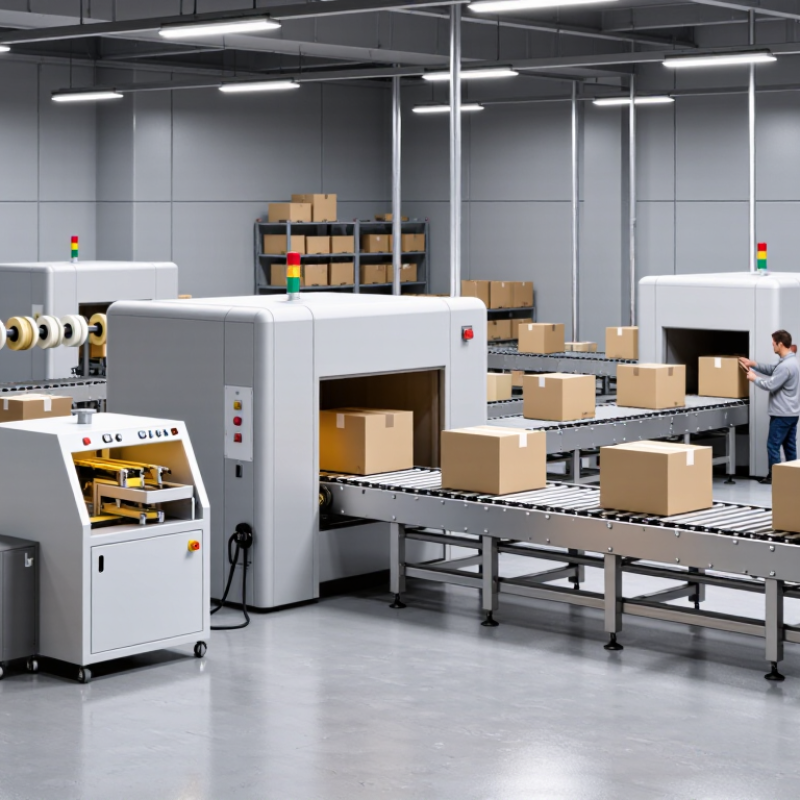
Before comparing machines, measure the cartons your line actually runs. Record the smallest and largest box dimensions, plus common sizes and occasional outliers. A machine set for one “typical” carton may struggle when a tall, narrow box reaches the infeed. Measure filled cartons, too; bulging flaps can change the sealing height. Measure real cartons. Confirm whether the machine can handle your size range without frequent manual adjustment, and check the tape-head settings for both top and bottom seams.
Choose tape based on carton weight, surface, and storage conditions. Paper and pressure-sensitive plastic tapes behave differently on recycled or dusty corrugated board. Run samples through the sealer, then inspect adhesion after handling—not just at the machine exit. Test it.
Throughput needs deserve the same practical check: compare the machine’s rated speed with your busiest sustained shift, including loading gaps, jams, and changeovers. Pitney Bowes’ 2024 Parcel Shipping Index reports 21.7 billion U.S. parcels in 2023 and projects 28.3 billion by 2028. That growth forecast is a useful planning signal, not a promise about your own line. Track cartons per minute during real production, then allow headroom for peak days. A small buffer helps; an oversized, faster machine may not. One awkward carton can expose a setup weakness you missed on paper.
Choosing a carton taping machine in 2026 begins with carton variation, line speed, and operator skill. A manual sealer suits low-volume work and frequent changeovers. A semi-automatic machine lets an operator fold flaps, then feeds the case through powered belts. For steady flows, an automatic random-case sealer adjusts to different carton widths and heights. Uniform-case sealers are simpler when box dimensions rarely change. Fit matters.
Sealing configuration matters too. Top-and-bottom taping is common for regular shipping cartons; side-belt or bottom-only setups may suit specific conveyor layouts, but need careful trials. The Fibre Box Association’s 2023 industry statistics reported 393 billion square feet of U.S. corrugated shipments, down 3.6% from 2022. That figure does not dictate a machine choice. It does make testing your actual box mix sensible. Check tape width, flap alignment, carton weight, and the seam after transit vibration.
Tips: Run your smallest and largest cartons through a machine demo. Record jams, seal overlap, and changeover time. Ask operators to repeat setup; one smooth trial can hide a clumsy adjustment. I would also leave some capacity margin, though the right amount depends on real peak demand.
| Machine Style or Configuration | Best Suited Carton Mix | Size Adjustment | Operator Involvement | Typical Sealing Arrangement | Key Selection Considerations |
|---|---|---|---|---|---|
| Semi-Automatic, Uniform-Size | Runs of cartons with the same or similar dimensions. | Guides and taping heads are set manually for the carton size; adjustments are needed when dimensions change. | The operator erects the carton, folds its flaps, and feeds it through the machine. | Usually applies tape to the top and bottom center seams in one pass. | A practical choice when carton sizes are predictable and an operator is available at the machine. |
| Semi-Automatic, Random-Size | Mixed carton sizes processed in varying sequences. | Guides or heads adjust to each carton within the machine’s specified size range. | The operator typically erects cartons, closes the top flaps, and feeds them into the machine. | Commonly applies tape to the top and bottom center seams. | Confirm the minimum and maximum carton dimensions, and check whether cartons must be centered or presented in a particular orientation. |
| Automatic, Uniform-Size | Steady production of cartons in a consistent size range. | Machine settings are established for the run; some models allow adjustment between carton sizes. | Cartons are conveyed through the machine; upstream equipment or an operator may still be needed to erect cartons and manage flaps. | Often folds top flaps and applies tape to the top and bottom seams. | Check line speed, carton size range, conveyor height, and how the machine integrates with upstream and downstream equipment. |
| Automatic, Random-Size | Inline operations handling different carton dimensions without sorting them into size-specific batches. | Sensors or other size-detection systems adjust the machine for cartons within its rated range. | Usually requires a controlled carton infeed; upstream equipment may be needed to erect cartons and prepare flaps. | Typically closes and seals the top and bottom seams automatically. | Verify the supported carton range, detection method, carton presentation requirements, and compatibility with the full packaging line. |
| Top-and-Bottom Sealing | Standard cartons that need a center-seam closure on both faces. | Depends on whether the machine is uniform-size or random-size. | May be semi-automatic or automatic, depending on the machine style. | Tape is applied along the top and bottom center seams. | Check tape width compatibility, carton flap condition, and whether the top flaps must be folded manually or by the machine. |
| Side-Belt or Bottom-Belt Carton Drive | Cartons suited to the selected conveyor contact and support method. | Drive-belt adjustment depends on the machine design and carton size range. | Can be used on semi-automatic or automatic machines. | Describes how cartons are conveyed; the taping heads may still seal the top and bottom seams. | Assess carton stability, base condition, weight, and dimensions. Confirm the drive arrangement is suitable for the cartons being processed. |
| Selection Checklist | Any operation comparing machine styles or sealing setups. | Base the choice on the actual minimum and maximum carton dimensions, plus how often sizes change. | Define who will erect cartons, fold flaps, load cartons, and replenish tape. | Specify which seams need sealing and whether top-flap folding is required. | Request a test with representative cartons and tape. Confirm rated speed, changeover needs, utility requirements, guarding, and available floor space with the machine supplier. |
| Note: Features, carton-size limits, tape compatibility, and operating rates vary by machine design. Confirm the exact specifications and carton requirements for the proposed configuration before purchase. | |||||
Check Automation, Line Integration, and Operator Requirements
Start with the cartons you actually ship. Measure their size range, weight, and surface condition, then test how consistently they feed and seal. A hand-fed unit may suit low-volume work with frequent carton changes. For steady output, automatic feeding can reduce repetitive handling. Still, a higher rated speed does not guarantee faster production. Watch for misfeeds, uneven tape placement, and time lost between cartons.
Check how the machine will fit your line. Compare conveyor height, carton spacing, operating speed, and available floor space. Confirm that upstream equipment presents cartons in the correct orientation and that downstream conveyors can accept them without backups. Ask for a trial using your own cartons and tape. Track jams and changeover time, not just the best run. Real lines are rarely perfect.
Consider the operator’s daily tasks. Can staff reload tape, adjust guides, and clear a jam without awkward reaching? Are controls clear, and are routine cleaning and maintenance points easy to access? These details affect training and shift handoffs. A machine can look efficient in a demonstration and still frustrate a night shift. I would also check who responds when settings drift; that responsibility is easy to overlook.
For a carton taping machine in 2026, judge the seal on your own cartons, not a showroom sample. Run different box sizes at your usual line speed. Check that tape stays centered, covers the flap joint, and holds at the corners. Small flaws matter. A neat top seam can still lift after handling. Try a gentle peel test on several sealed cartons, and record where the tape releases.
Look closely at operator protection. Guards should keep hands away from moving belts and cutting blades, while controls and emergency stops remain easy to reach. Ask how the machine stops during a jam and whether routine adjustments require tools. A fast demonstration can hide awkward access. Watch an operator clear a realistic fault, from a safe position, before deciding.
Maintenance needs should fit the actual work schedule. Inspect rollers for adhesive buildup, blades for clean cuts, and belts for wear. Ask how often these parts need attention under your expected shift pattern, and whether routine service is straightforward. A clear fault display can help, but it cannot replace inspection. Keep a simple service log; missed checks happen, especially during busy weeks. A machine that is slightly slower but easier to clean may prove more dependable for your team.
A carton taping machine’s purchase price is only one part of its cost. Add installation, operator training, maintenance, spare parts, and expected tape use. Ask how quickly a worn roller or blade can be replaced, and whether routine service requires a specialist. A low-cost machine may use more tape or need frequent adjustment. Small details matter.
Estimate cost per sealed carton using your expected daily volume, not a supplier’s best-case figure. Include changeover time, energy use, floor space, and likely downtime. Document the assumptions. A spreadsheet can still miss an awkward production shift, so leave room for uncertainty rather than presenting one precise number as fact.
Before purchase, test the machine with your own carton sizes, weights, board conditions, and tape. Test the awkward cartons. Watch for skewed boxes, loose seams, jams, and repeated manual corrections. Record cartons per minute across a sustained run, then check the seals after handling. Compare results with the quoted rate and ask how performance was measured. Request a written service plan, warranty details, and response times. A short demonstration is useful, but it may not reveal problems that appear after hours of operation.
Record carton dimensions, weight, and surface condition. Include the smallest and largest boxes you ship. Test feeding consistency.
Not always. Watch for misfeeds, uneven tape placement, and delays between cartons. Real lines get messy.
Hand-fed machines may suit low-volume work and frequent carton changes. Automatic feeding can reduce repetitive handling during steady runs.
Compare conveyor height, carton spacing, operating speed, and floor space. Check that upstream equipment aligns cartons correctly and downstream conveyors avoid backups.
Use your own cartons and tape. Record jams, changeover time, and output across a normal run. A best-case demonstration tells only part of the story.
Run different carton sizes at your usual speed. Check tape alignment, flap coverage, and corner adhesion. Small flaws matter. Try gentle peel tests and note release points.
Ask staff to reload tape, adjust guides, and clear a realistic jam. Check for awkward reaching and accessible controls. Try a real jam.
Check guards around moving belts and blades, plus reachable emergency stops. Inspect rollers, blades, and belts; keep a simple service log. A fault display helps, but it cannot replace inspection.
Choosing a Carton Taping Machine in 2026 starts with understanding the cartons your operation handles. Define the range of box sizes, the tape materials and widths you use, and the number of cartons you need to seal per hour. These details help narrow down suitable machine styles and sealing configurations, from solutions for consistent carton sizes to setups that accommodate more variation.
Next, consider how the machine will fit into your production line and what operators will need to do each shift. Assess sealing consistency, adjustment requirements, safety features, cleaning, and routine maintenance. Compare the full cost of ownership, including installation, consumables, and ongoing service, rather than focusing only on the purchase price. Before making a final decision, test the machine with representative cartons and tape, confirm it meets your throughput and quality expectations, and verify that its operation suits your workspace and staff.

Huisu