How to Choose an Automated Case Erector for Your Business?

Time:2026-10-25 Author:Mason
0%

Choosing an Automated Case Erector is not simply a matter of selecting the fastest machine. It is a production decision that affects labor, floor space, carton quality, and future expansion. A suitable system should match your box dimensions, board grade, closure method, and daily workload. Small differences matter. A poor fit can create jams, crooked cases, and unnecessary operator intervention.

Jorge Izquierdo, former Vice President of Market Development at PMMI, has emphasized, “Automation should be evaluated as part of the entire production system, not as an isolated machine.” This principle is practical. The erector must communicate reliably with conveyors, case packers, sealers, sensors, and warehouse systems. Buyers should also examine changeover time, forming accuracy, machine accessibility, guarding, and local technical support. A machine that runs quickly but takes forty minutes to adjust may reduce real productivity.

Look beyond the brochure.

In this guide, we will compare the main selection factors for an Automated Case Erector. We will consider production speed, carton variation, sealing requirements, footprint, maintenance, and total ownership cost. Experience shows that quoted output rarely equals sustained output. Dust, warped blanks, inexperienced staff, and frequent size changes can alter results. That reality deserves attention. Your ideal machine may not be the most powerful model. It may be the one that starts consistently, changes over simply, and receives prompt service when something goes wrong. Testing your actual cartons before purchase remains essential. Stories from suppliers help, but physical trials reveal more.
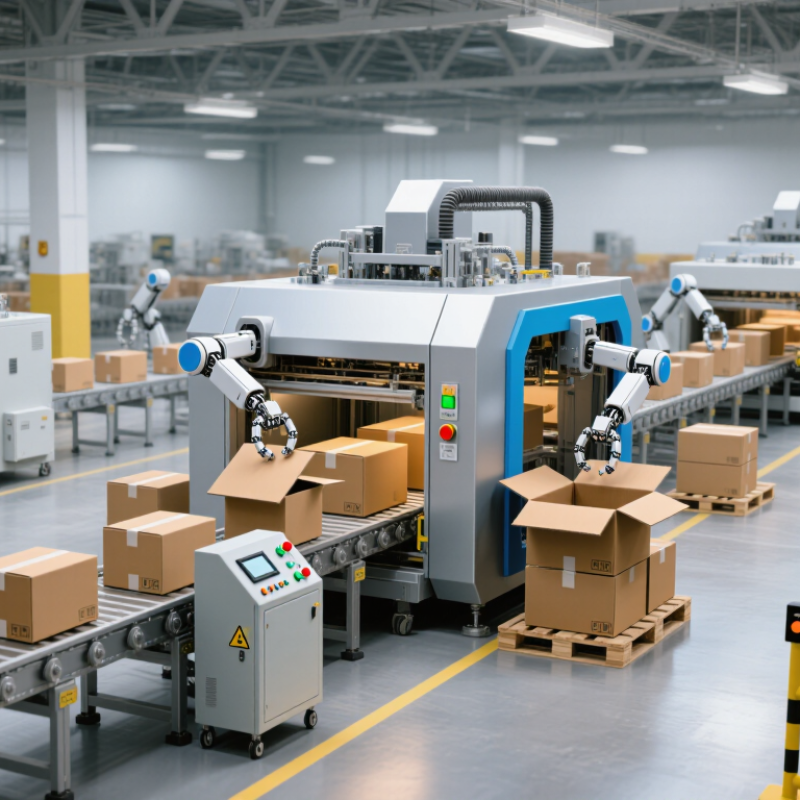
How to Choose an Automated Case Erector for Your Business?

Business Needs and Case Erector Requirements

How to Choose an Automated Case Erector for Your Business?

Business Needs and Case Erector Requirements

Choosing a case erector should begin with your operation, not the machine catalog. MHI’s 2024 Annual Industry Report found that 55% of supply chain professionals planned to increase technology investment. Labor pressure is one reason. However, automation only works when it matches daily production reality. Record your case sizes, board grades, line speed, changeover frequency, and available floor space. A machine handling 20 cases per minute may be excessive for a small batch line. It may also create idle time and unnecessary maintenance costs.

Measure the details.

Your case erector should support reliable forming, accurate squaring, and consistent adhesive or tape application. PMMI’s 2024 robotics research identifies labor availability and productivity as major automation drivers in packaging operations. Ask how quickly operators can learn the controls. Check access to forming belts, sensors, and glue components. Request performance data using your actual case blanks, including recycled board. This matters because weaker board can increase jams. A factory trial is more credible than a brochure.

Do not ignore integration. Confirm communication with conveyors, case packers, safety circuits, and production software. Calculate total cost using labor, utilities, spare parts, downtime, and training. My own practical preference is simple: choose stable output over impressive peak speed. That judgment can be wrong when demand changes sharply. Recheck the decision against twelve months of orders, not one busy week.

How to Choose an Automated Case Erector for Your Business?

The chart presents a practical weighted decision model for evaluating an automated case erector. Throughput, carton compatibility, changeover speed, uptime, and integration should be matched to production volume, packaging formats, and labor requirements.

Planning weights are expressed as percentages and should be adjusted according to your line speed, case-size range, available floor space, labor costs, and required production uptime.

Key Types of Automated Case Erectors

Automated case erectors are not one standard machine. Their design depends on carton style, line speed, and sealing method. The most common type forms regular slotted cases, folds the bottom flaps, and seals them with tape or hot-melt adhesive. Tape systems are usually simpler to maintain. Hot-melt systems can create a stronger seal, but they require temperature control and careful cleaning.

Four-corner and six-corner case erectors suit cartons needing precise folded edges or stronger structural support.

Wraparound case erectors form the carton around the product, which can reduce material waste and improve presentation.

Vertical machines save floor space and work well with stable carton blanks. Horizontal models often provide smoother feeding for larger or heavier cases.

Do not choose by speed alone.

A practical evaluation should check blank storage, changeover time, jam recovery, and operator access. Measure twice. A machine rated for thirty cases per minute may run slower with damp cardboard, uneven blanks, or frequent size changes.

I would also inspect the compression section, because weak pressure can leave loose flaps and unstable cases. That assumption often fails. Ask for a trial using your actual carton sizes and products, then record stoppages over several hours instead of trusting a short demonstration.

Production Speed, Capacity, and Case Compatibility

Choosing an automated case erector starts with production speed, not the machine’s advertised maximum. A line running 18 cases per minute may need 25% extra capacity for seasonal demand. PMMI’s 2023 U.S. Packaging Machinery Shipments Study valued shipments at about $10.2 billion in 2022, reflecting continued investment in automation. Still, capacity must match your real workflow. Measure average cases per minute, shift hours, changeover time, and planned growth. A machine that runs quickly but stops often can reduce actual output.

Case compatibility deserves equal attention. Test every carton size, board grade, flap design, and recycled-content percentage used in your facility. Recycled board can vary in stiffness and friction, so older forming settings may need adjustment. Ask suppliers for production trials using your own cases. Review jam rates, tape or adhesive performance, and operator access. The right equipment should support stable feeding, simple adjustments, and safe maintenance. A perfect first estimate is unlikely.

Tips: Build a three-day production log before choosing. Record speed losses, carton damage, short stops, and changeover minutes. Compare rated capacity with measured OEE, not hope. The OEE framework separates availability, performance, and quality, helping teams identify hidden losses. PMMI’s State of the Industry research also highlights labor availability as a continuing automation driver. However, automation does not remove training needs. One practical mistake is treating compatibility as a checklist; real cartons often behave differently after humidity, storage, or supplier changes.

Evaluating Automation Features, Integration, and Safety

How to Choose an Automated Case Erector for Your Business?

An automated case erector should match your packaging line, not operate as an isolated machine. Check its forming speed, case-size range, and changeover method. Tool-free adjustments can reduce delays between product runs. Servo-driven folding often improves repeatability, but it may increase maintenance complexity. Test real cartons with different board grades. Fit matters.

Integration requires careful review. Confirm communication with the conveyor, sealer, printer, and line controller. Useful signals include machine-ready, carton-low, fault, and downstream-blocked status. A reliable system should support clear alarms and accessible diagnostic data. Ask whether technicians can adjust settings without rewriting controls. Poor handshakes create stoppages that automation cannot hide.

Safety deserves equal attention. Look for guarded motion areas, interlocked access doors, emergency stops, and controlled pneumatic release. A documented risk assessment should guide the final layout. Verify safe access for clearing jams, cleaning, and maintenance. Operators need practical training, not only a manual. I have seen efficient lines lose uptime because jam recovery felt unsafe. That weakness matters. Review safety requirements with qualified personnel before installation.

Measure performance during a realistic trial. Record changeover time, carton waste, recovery time, and fault frequency. Do not rely only on the advertised cycle rate. Your actual cartons may be warped, dusty, or inconsistently glued. A short factory test can expose these limits. Leave room for improvement. Perfect automation rarely exists.

Cost, Maintenance, and Supplier Support Considerations

Choosing an automated case erector requires more than comparing purchase prices. In packaging projects, I have seen a low-cost machine create higher expenses through slow changeovers and frequent stoppages. Calculate the total cost of ownership, including installation, training, electricity, spare parts, and expected downtime. Confirm the machine matches your carton sizes, board quality, line speed, and available floor space. A fast machine is not useful if it struggles with uneven cartons.

Maintenance planning should be practical and visible. Ask how often belts, sensors, folding guides, and sealing components need inspection. Operators should reach routine service points without dismantling half the machine. Request maintenance records from comparable installations, if available. Supplier support matters just as much. Check response times, remote troubleshooting options, technician coverage, and spare-part availability. A detailed warranty is helpful, but it cannot replace reliable communication during a midnight breakdown.

Tips: Ask for a live trial using your cartons. Measure changeover time, rejected cases, noise, and operator workload. Request a written service schedule and spare-parts list. Do not accept vague promises. Also, leave room for uncertainty. Production volumes may change, and your first assumptions may be wrong. A flexible machine and a supplier willing to review performance after installation can protect the investment better than an impressive quotation alone.

FAQS

How should a business choose an automated case erector?

Start with daily production needs, not machine advertisements. Record case sizes, board grades, line speed, changeovers, and floor space. Peak speed can mislead. Stable output usually matters more.

What production speed should the machine provide?

Measure average cases per minute and planned growth. Consider seasonal demand and short stops. A machine rated for 25 cases per minute may suit an 18-case line. However, unused capacity can increase costs.

Which case materials should be tested?

Test every carton size, flap design, board grade, and recycled-content level. Recycled board may vary in stiffness and friction. Humidity can change feeding behavior. Perfect compatibility is unlikely.

Why is a production trial important?

Request a live trial with your own case blanks. Check forming, squaring, sealing, jams, damage, and operator access. A factory trial shows more than a polished brochure. My assumptions could still be wrong.

How can a company measure actual performance?

Keep a three-day production log. Record speed losses, rejected cases, short stops, and changeover minutes. Compare rated capacity with measured availability, performance, and quality. Hope is not data.

What should be included in the total cost?

Include purchase, installation, training, electricity, spare parts, maintenance, and downtime. Slow changeovers can quietly increase expenses. A cheaper machine may cost more later. Recheck the estimate after real operation.

What maintenance features should buyers inspect?

Ask about belts, sensors, folding guides, and sealing components. Operators should reach service points without removing major sections. Request a written inspection schedule and spare-parts list. Easy access matters.

How important is supplier support?

Confirm response times, remote troubleshooting, technician coverage, and spare-part availability. Ask how midnight breakdowns are handled. A detailed warranty helps, but communication matters more. Support promises need evidence.

What integration questions should a business ask?

Confirm communication with conveyors, packing equipment, safety circuits, and production software. Check operator training requirements and control simplicity. Integration problems can create hidden stops. Leave room for change.

Conclusion

Choosing the right Automated Case Erector begins with a clear understanding of your business needs, including production volume, available floor space, labor requirements, and packaging goals. Consider whether your operation requires a compact intermittent-motion machine or a high-speed continuous-motion system. The equipment should support your case sizes, board grades, sealing method, and desired output without causing frequent adjustments or stoppages. Speed and capacity must match both current demand and future growth.

When evaluating options, review automation features such as automatic case detection, changeover controls, fault alerts, and compatibility with conveyors or other packaging equipment. Safety functions, guarding, and easy access for operators are also essential. Beyond the purchase price, assess energy use, maintenance requirements, spare-part availability, training, warranty coverage, and technical support. A reliable supplier should provide installation guidance and responsive service. By balancing performance, flexibility, safety, total ownership cost, and long-term support, businesses can select an Automated Case Erector that improves efficiency and delivers consistent packaging results.


Mason

Mason

Mason is a seasoned marketing professional with a deep expertise in the company's offerings and a passion for driving brand awareness. With a strong background in digital marketing strategies, he has an innate ability to connect with diverse audiences and effectively communicate product benefits.......